The Changing Face of Hungarian Minority Education in Slovakia
An Atlas of Student Enrollment, Demography and Social Trends
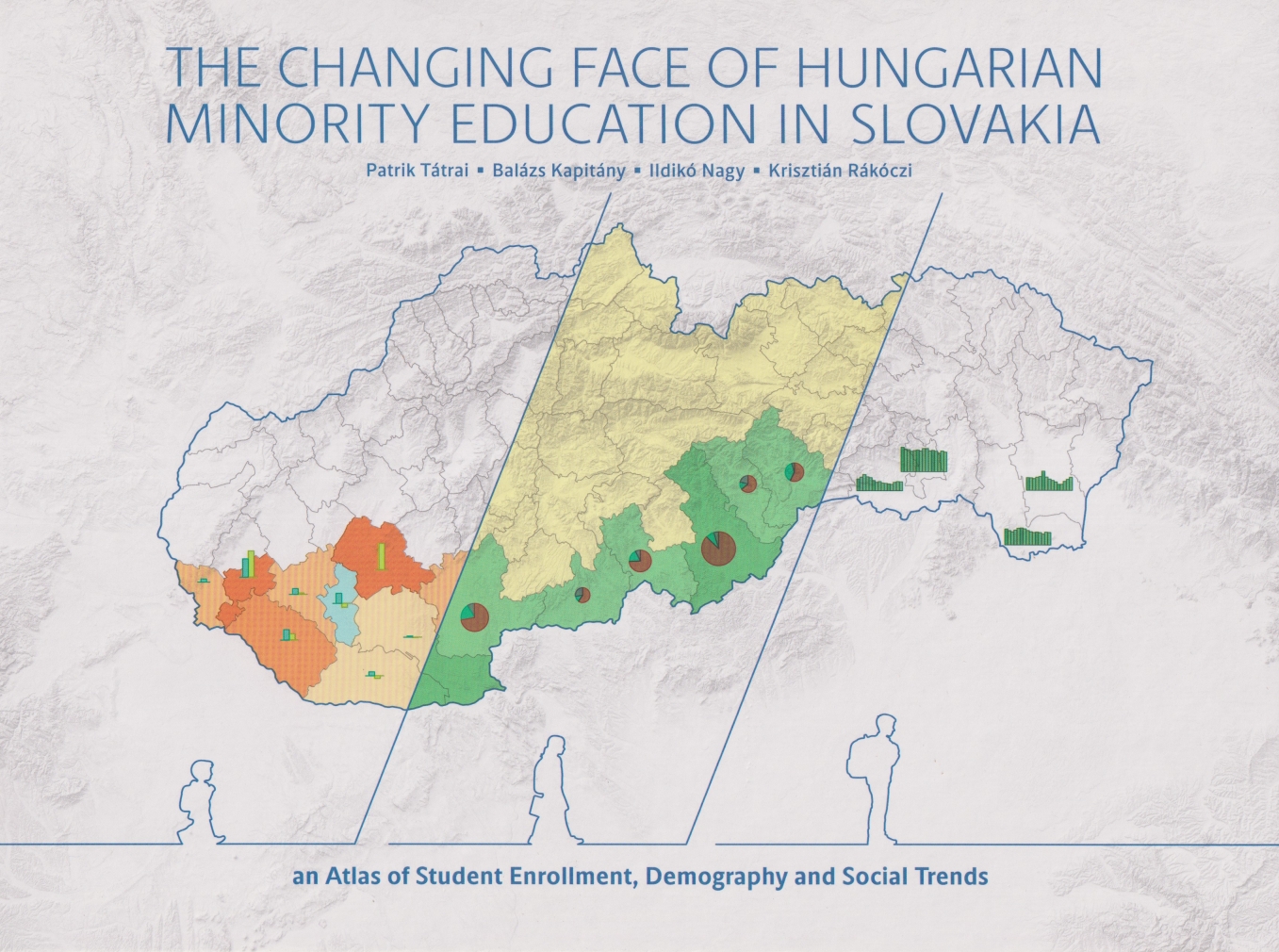
The Changing Face of Hungarian Minority Education in Slovakia presents current ethnic, demographic, and social processes among Hungarians in Slovakia through an analysis of the number of students enrolled in Hungarian-medium kindergartens, primary schools, and secondary schools between the 2010/11 and 2024/25 academic years. The atlas places particular emphasis on revealing regional differences, and therefore the statistical analyses are presented through accessible maps at the municipal and district levels.
Drawing on detailed official statistics on student numbers and ethnic composition, the atlas highlights several key phenomena: the relationship between demographic change and school enrolment trends; issues of language-of-instruction choice and switching; the daily commuting routes of students; the presence of Hungarian Roma students and the related patterns of educational segregation; as well as differences in academic performance and educational attainment between Hungarians and Slovaks.
The volume serves simultaneously as a scholarly background analysis, an indispensable professional reference for policymakers, and a visually rich and accessible overview for a broader readership interested in Hungarian minority education. By presenting clear territorial patterns supported by robust data, the atlas contributes to ensuring that debates about the future of Hungarian minority education in Slovakia are grounded in reliable evidence and well-understood regional dynamics.
Patrik Tátrai, Balázs Kapitány, Ildikó Nagy, Krisztián Rákóczi
László Szarka
Fanni Koczó, Gáspár Mezei
Gáspár Mezei, András Somodi
András Somodi
How to cite?
Tátrai P., Kapitány B., Nagy I., Rákóczi K. 2026. The Changing Face of Hungarian Minority Education in Slovakia: an Atlas of Student Enrollment, Demography and Social Trends. Budapest, Horizontum Polgári Társulás - HUN-REN CSFK - VEKTOR Társadalomkutató Egyesület. 151 p.
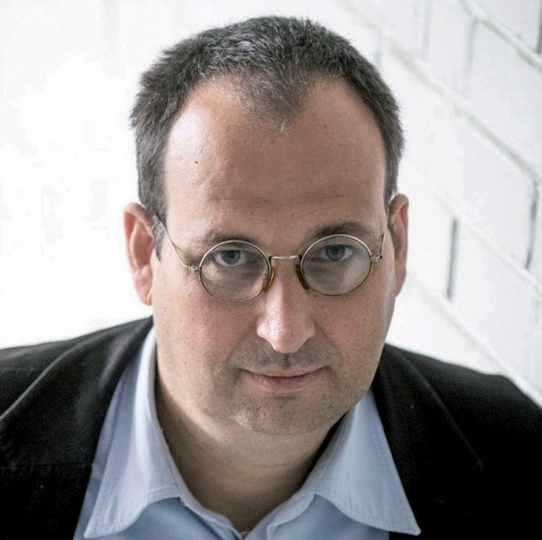
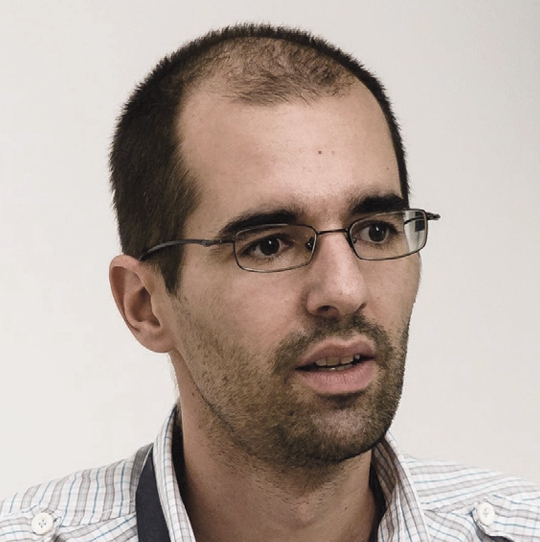
Balázs Kapitány was born in 1975 in Keszthely, Hungary. He completed his higher education at Eötvös Loránd University in Budapest, where he earned a degree in sociology as well as in Hungarian language and literature. Between 2000 and 2024, he worked as a researcher at the Hungarian Demographic Research Institute of the Hungarian Central Statistical Office in Budapest, holding various positions. From 2018 to 2024, he served as editor-in-chief of Demográfia, the only Hungarian-language journal devoted to population studies. Since 2021, he has been the chair of the board of trustees of the Population Research Foundation. His research focuses on demographic processes and changes in social structure in Hungary and in the countries of the East-Central European region.
Ildikó Nagy completed her undergraduate studies in international relations in Győr, Hungary, then earned a master’s degree in international security and defense policy at the University of Public Service in Budapest. Having grown up in multiethnic southern Slovakia, she is primarily interested in how various social processes shape interethnic relations. She has worked on ethnic minority issues in both civil society and analytical settings, including as a researcher at the Research Institute for Hungarian Communities Abroad.
Krisztián Rákóczi was born in 1981 in Dunajská Streda (Dunaszerdahely), Slovakia. He completed his higher education at the Faculty of Law and Political Sciences of Eötvös Loránd University in Budapest. Between 2007 and 2011, as a researcher at the Nézőpont Institute, he focused on analyzing domestic political and economic developments in the Czech Republic and Slovakia. From 2011 to 2024, working at the Research Institue for Hungarian Communities Aborad, he primarily served as a project coordinator for research examining demographic, educational, and political issues affecting Hungarians in Slovakia. Since 2024, he has been the president of the VEKTOR Social Research Association, which studies the school network, demographic situation, and political activity of minority Hungarians in Hungary’s neighborhood.
Patrik Tátrai earned his degree in geography in 2002 at Eötvös Loránd University in Budapest and defended his doctoral dissertation there in 2009. Since 2004 he has been a researcher at the Geographical Institute of the Research Centre for Astronomy and Earth Sciences (within the Hungarian Academy of Sciences / HUN-REN), wherehe currently holds the position of senior research fellow. His work focuses primarily on ethnic and political geography, with particular attention to the geographical study of demographic processes among Hungarian minorities, ethnic identification, and interethnic relations in multiethnic regions of East-Central Europe. He is a co-author and contributor to several atlases, most notably the Changing Ethnic Patterns of the Carpatho–Pannonian Area (three editions), and the Public Education land/mapscape.
Historical background ; Legal and regulatory framework ; The evolution of the institutional structure
Population size and settlement structure ; The demographic basis of the Hungarian-medium public education system in Slovakia
Kindergartens ; Transition from kindergarten to primary school ; Primary schools ; Transition from primary to secondary education ; Secondary schools ; Hungarian-medium “vertical” educational pathways
Kindergarten commuting flows ; Primary school (grades 1–4) commuting flows ; Lower-secondary (Grades 5–9) commuting flows
Academic Performance of Hungarian Students ; Educational attainment indicators of Hungarians in Slovakia based on the 2021 census